Mobile Home Siding - Durable. Affordable. Fast Turnaround.
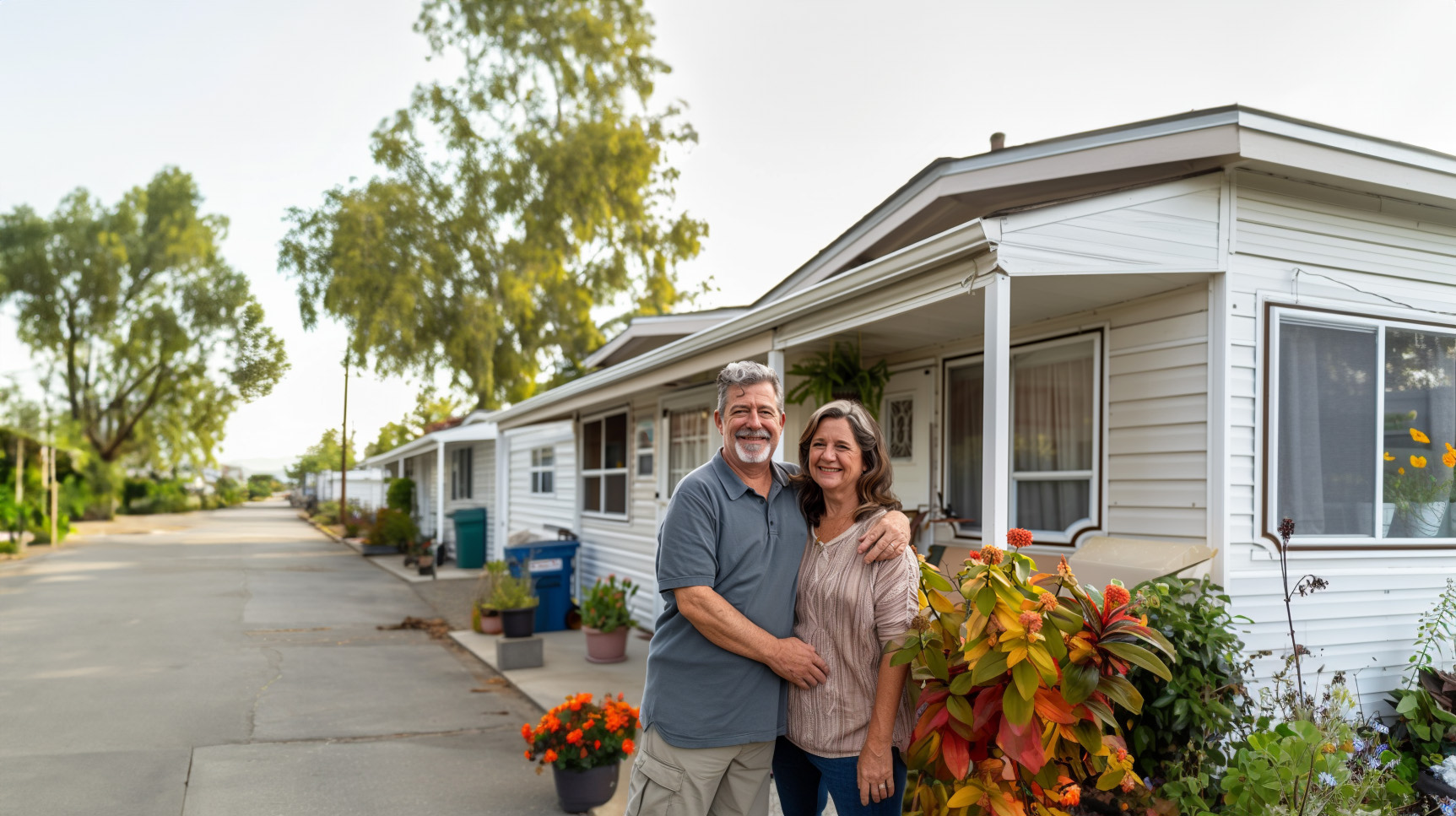
Transform your manufactured house into a luxurious and beautiful home with our expert mobile home siding installers. Enjoy a seamless and high-quality finish that enhances both style and durability.

Watch What Some of Our Clients Have to Say
Trusted by Thousands of Homeowners Across Northern California


From Old Siding to Dream Exterior - See It Happen
See real GVD projects that transform outdated exteriors into beautiful, durable, and energy-efficient homes— and yours could be next.
4.9/5 Rating
5/5 Rating
4.6/5 Rating
Free consultation & $1,500 OFF your project


Mobile Home Siding Replacement in Sacramento
Faded, warped or water-stained siding on a manufactured home lets summer heat and moisture into thin walls. GVD Renovations & Remodeling replaces mobile home siding across the Sacramento region, handles the state permit, and gives you a detailed fixed-price proposal before any work starts.
Get your free mobile home siding quote and $1,500 off
Can You Re-Side a Mobile Home?
Yes. Siding replacement is one of the most common exterior upgrades on a manufactured home, and it is the right moment to add insulation and a proper moisture barrier because the old covering is already off.
The work follows a fixed order:
At the free in-home estimate we measure every wall and check for rot, soft spots, uneven framing and the condition of the perimeter support.
We recommend a full tear-off or, where walls are sound, flat and dry and the product instructions allow it, an overlay. Rot or a wavy substrate means tear-off.
After you approve the fixed-price proposal, we apply for the HCD permit and order materials.
Our own crews repair damaged framing or sheathing, add a weather-resistant barrier and insulation where the wall allows, and flash every window and door.
We install the siding to the manufacturer's instructions, schedule the inspection, clean up and walk the job with you.
For background on materials, installation steps and how manufactured-home walls are built, read our complete guide to mobile home siding.
Who Issues the Permit for Mobile Home Siding in California?
The California Department of Housing and Community Development (HCD) issues it, not your city building department. HCD has sole authority for permits and inspections on alterations to manufactured homes and mobilehomes, and owners or their contractors apply on form HCD MH 415 before work starts.
HCD's alteration guidelines (HCD MH 604) list exterior siding as needing a permit but no plan review or engineered plans, with a perimeter support detail required. Stucco, concrete or similar heavy siding does require an engineered plan. You can review the process on HCD's alteration permit page, and HCD's Northern Area Office is in Sacramento.
Work around the home is a separate question. Inside a mobilehome park, accessory structures such as decks, porches and awnings need a park construction permit from the park's enforcement agency, which is HCD unless the city or county has taken over park enforcement under Title 25. Outside a park, accessory structures go through the city or county. If your home sits on private land or a permanent foundation, we confirm with HCD and the county which agency handles each part before we start. We prepare and file the paperwork either way.
Which Siding Works Best on a Manufactured Home?
The best siding for your home depends on what the walls can carry, your fire exposure and your budget. Manufactured-home walls are framed lighter than site-built walls, so weight drives the choice more than it does on a house.
| Material | Weight on the wall | Fire behavior | Upkeep |
|---|---|---|---|
| Vinyl | Light | Combustible; depends on wall behind it | Wash only |
| Insulated vinyl | Light | Combustible; depends on wall behind it | Wash only |
| Metal (steel or aluminum) | Light | Noncombustible | Low; dents can show |
| LP SmartSide engineered wood | Moderate | Combustible on its own | Repaint over time |
| James Hardie fiber cement | Heavy | Noncombustible | Repaint over time |
Vinyl and insulated vinyl
Vinyl is the practical choice for most manufactured homes because it is light, resists insects and needs only washing. Choose a full-thickness panel; the thinnest budget vinyl warps and fades quickly in Valley sun. Insulated panels such as CraneBoard insulated siding add foam behind the face, which helps with heat and noise in a thin wall. Vinyl moves with temperature, so panels must hang loose on their nails, and that matters with Sacramento's big day-to-night swings. Our vinyl siding installation page covers profiles and options.
Fiber cement and engineered wood
Fiber cement gives the strongest fire protection, but it is the heaviest option and needs repainting eventually. We check framing and perimeter support before recommending it. We are a James Hardie Elite Contractor and received the 2025 James Hardie Service Excellence Award, and our James Hardie siding page explains the product line.
LP SmartSide is lighter than fiber cement and takes paint well. We are an LP Master Level Preferred Contractor and LP Certified Installer.
Cedar and stone veneer
Real cedar brings warmth but needs regular sealing and corrosion-resistant fasteners. Stone veneer is heavy, so on a manufactured home it works best as an accent on skirting or an entry wall rather than full cladding.
Replacing Failing T1-11 or Hardboard Siding
Many older manufactured homes came with plywood T1-11 or hardboard panels. Both absorb water at the bottom edges and seams, then swell, delaminate and rot, especially where sprinklers hit the wall.
If you see soft or flaking panels, the fix is usually tear-off, sheathing repair and new siding rather than patching. Our article on why hardboard siding fails shows what to look for.
How New Siding Cuts Heat and Moisture Damage
Siding sheds most water but not all, so we add a weather-resistant barrier behind it and flash every opening. That keeps water out of the wall cavity, where it feeds mold and rot in the light framing.
Sacramento summers bring triple-digit heat and strong sun. Insulated siding or added foam board slows heat through the wall and lowers air conditioning use, and the added layer also dampens traffic and neighbor noise. Light colors absorb less heat than dark ones.
Fire Safety and the 5-Foot Ember Zone
If your home is in a high fire hazard area, noncombustible fiber cement or metal is the more fire-resistant choice. Vinyl does not match their fire performance.
California's Board of Forestry adopted "Zone 0" ember-resistant rules in August 2026, still pending final state approval. They cover the 5 feet around the home, such as mulch, stored items and attached fences, rather than the siding itself, and apply in Very High Fire Hazard Severity Zones and the State Responsibility Area. Plan skirting and anything stored against the walls with that zone in mind.
What Does Mobile Home Siding Cost for a 14x70 or 16x80?
Cost depends on wall area, material and whether the old siding comes off. Wall area is roughly the perimeter times the wall height. At an 8-foot wall, a 14x70 single-wide has about 1,340 square feet and a 16x80 about 1,540, before subtracting windows and doors.
We do not publish a flat price for these sizes because tear-off, framing repair, trim and skirting move the total. You get a firm fixed price at the free estimate. Combo, senior and military discounts apply, and financing is available through third-party lenders. Checking eligibility does not affect your credit score; approval, rates and terms depend on credit.
The lowest-cost way to re-side
Overlaying vinyl on sound, flat walls usually costs least because it skips tear-off and disposal. Painting is cheaper still, but it only restyles siding that is already intact and adds no insulation or moisture protection. Skip overlay if we find rot, because covering damage costs more later.
Skirting, Trim and Park Rules
Skirting finishes the lower edge of the home and keeps pests and moisture out of the crawlspace. Replacing it after the siding lets the two meet cleanly. Pair it with new trim, windows and entry steps for a complete update.
Many mobilehome parks set their own exterior rules on colors and materials. Check with your park manager before you choose, and we can bring samples to that conversation.
Why Manufactured Home Owners Hire GVD
We are family-owned and hold California contractor license #989637, with general liability and workers' compensation insurance. Our own trained crews do the work, and one project manager handles scheduling, the HCD permit and inspections. A typical siding job takes 1 to 2 weeks once materials arrive, and GVD backs siding installation with a 10-year labor warranty.
Homeowners give us strong ratings across hundreds of verified reviews on Google, Yelp and other platforms, plus an A+ from the Better Business Bureau. Read them on our testimonials page, or see siding samples at our Rocklin showroom, 6848 Five Star Blvd #6.
Where We Re-Side Mobile Homes
We work across the Sacramento region, including Sacramento, Elk Grove, Roseville, Rocklin, Folsom, El Dorado Hills, Granite Bay, Lincoln and Davis, as well as the Bay Area, the North Bay and Lake Tahoe and Truckee. For conventional homes, see our Sacramento siding page.
Get a Fixed Price on New Mobile Home Siding
Book a free in-home estimate. We measure the walls, check the framing, explain the HCD permit and give you a firm price, plus $1,500 off siding and a free 3D design visualization.
Try Our 3D Home Design Visualizer!
Ready to explore the possibilities for your home? Snap a photo to get started or spark your imagination with our sample homes.
Start Designing


Elite Certifications: James Hardie & LP® SmartSide
As a James Hardie Elite Contractor and LP® Certified Installer & LP® Master Level Preferred Contractor, we meet the highest standards for installation, service, and customer satisfaction in the industry.
We are fully insured with worker's compensation and general liability insurance to safeguard you and your home during our work.


2025 James Hardie Service Excellence Award


LP Certified Installer Certificate


VSI Certified Installer

Angie's List Super Service Award

Best of Houzz 2020 Service Award

CSLB License


Financing made simple
- Fast application process
- Flexible payment options
- Check eligibility in minutes
Financing is offered through third-party lenders. Approval, rates, and terms depend on credit profile. Not all applicants qualify.
Checking eligibility will not impact your credit score






4.6/5

4.9/5

A+

5/5

5/5

5/5

5/5

4.8/5
5/5


“I can't begin to say enough good things about the work and level of care they took in my project, I made a great choice when I went with GVD”

“Patrick and Vadim were amazing to deal with. They walked us through the entire process and helped us make the best and most informed decisions for what would work for us. We had been getting additional estimates for other work besides redoing our siding, and they were able to also provide those services at a slightly cheaper rate and coordinated all aspects of the full project. The work crews were very respectful and did great work.”

“I hired GVD to replace my tile kitchen countertops with quartz. There bud was far lower than other companies and they were able to promise and complete the job quickly. They were thoroughly professional and the new countertops are beautiful.”


“GVD renovated our master bedroom, master walk in closet, master bathroom, guest bathroom, put all new hardwood flooring through out our home, raised a ceiling and a few other things I can't even think of, my point is there's nothing they can't do! We chose them not because they were the cheapest or most expensive, we chose then because you can tell they know what their doing, they care about making you happy and I felt safe leaving my home and fur babies everyday in their hands. Thank you Vlad for making this experience a positive one. We are in love with all the new spaces you created! Hands down we will use GVD for the few things left we need to do on our home in the near future. We will highly recommend you for years to come!”

“GVD Renovations and Remodeling is an outstanding company with incredible staff. We received three bids from the elite James Hardie board installers recommended through the company website and immediately bonded with Nik, our salesman and project manager. His detailed quote, immediate response to questions throughout the installation and attention to every detail was truly appreciated. The crew handling the installation were friendly and polite, clearly knew what they were doing and seemed to love their work, were meticulous, treating our home like it was theirs, and cleaned everything up on a daily basis. They were also very punctual, arriving every day at 8:00 am in spite of all the road construction in our area during a large part of this project. The finished product is beautiful, my home looks brand new, and I have peace of mind again living in this area. An added bonus is I don’t have to worry about woodpeckers or bats anymore. The soffits they installed keep the bats away and the woodpeckers can’t puncture the siding! I definitely recommend GVD Renovations and Remodeling for any home improvement you’re considering. They are truly the best company I have ever worked with!”


“My wife and I found GVD Renovations at the Northern California Home & Landscape Expo Sunday January 26th. I am giving GVD Renovation and its team the most glowing recommendation I have ever given any contractor before as I have never had this much ease, to include total job satisfaction, and as well as billing satisfaction with a contractor. Thank you all so very much. I have been recommending you to all my family and friends and will be keeping your number close for any future projects.”

“We hired GVD for our siding and windows project. We went with James Hardie when it was time to replace our stucco due to its product rating as well as me not wanting to deal with cracking stucco over time. We went with fiberglass Milgard windows for replacing our single pane original windows from when the house was built (1960’s) The entire process from quote to completion was exceptional. The Sales Rep Patrick Monahan was helpful in breaking down the differences in all the different options and brought up pros and cons of different products from soffit vs none as well as differences in window material vinyl vs fiberglass without a high pressure sales tactic. The project started quickly after signing and my wife and I were blown away by the work ethic. Our Project Manager Vadim was always available and prompt with responses. There were multiple times he was able to give us peace of mind and that type of service is really helpful in today’s world with a project so large for us. The crew that did the work came from Sacramento to Livermore and started the day at 8am and worked until 8pm. Everyday. That was wild to me. The crew was absolutely the hardest working crew I’ve ever seen and we had many different contractors in the recent months. I’m not sure if this is standard for GVD, your mileage may vary in this regard, but I was highly impressed. Upon completion there was a issue with one of the windows from the manufacturer and Vadim was able to get a replacement request issued a day after I told him. We have now experienced our first rain and there was an area the water was bypassing the gutter and again our project manager Vadim was quick to assess and address. If your looking for siding or windows get a few quotes obviously but I highly recommend this company. Kudos to the entire team’s professionalism, hard work, and attention.”


“I am very pleased with their service and work. I contracted with GVD to replace 10 windows with vinyl windows, install vinyl soffits, replace rotted trim and install new siding for my home. From the very beginning, our entire experience was great. The siding installation crews performed their work in a timely and orderly fashion and kept the work area clean and free of debris. The installed siding added a beautiful touch and brought out the most in our house. I am very happy to have this project completed. I referred them to my friends and would gladly do business with them again.”

“We've done a lot of remodeling and worked with many companies, both good and not so good. GVD was excellent. Just getting a contractor to call you back these days seems to be difficult, and our siding job didn't seem to generate much interest from the many companies we contacted. GVD stood above the rest from the very beginning with their timely call backs, quick estimate scheduling, and excellent email and phone communications. Even after we postponed the project for months, GVD was able to quickly update the estimate and provide a timely window for when work could begin. As with any remodeling project, change orders occur, and GVD was quick to adjust the contract, bring in the necessary sub contractors and keep the work moving ahead. Their workers were conscientious, skilled, and ready to adjust their methods to please us. The job site was cleaned up every day at quitting time. Quality, name brand materials were used throughout the job, and the work quality itself was excellent. Even the city inspector commented on the quality of the workmanship! The job was finished in a timely manner and to our satisfaction. We really couldn't be happier.”


“We are incredibly thankful our paths crossed with GVD Renovations! The workmanship that their team provided was excellent as we renovated the exterior of our house to James Hardie Siding. They do excellent work and will walk with you through the entire process and ensure any questions you have are thoroughly addressed! The whole crew was outstanding and very respectful as well. Our experience could not have been better. We look forward to work with them again in the future.”

“Superior craftsmanship, solid work ethic, excellent products - along with professionalism and friendliness….. GVD did it again! Last year, GVD did a complete demolition/remodel of a guest bathroom for me. This year they did a demolition/remodel of a master bathroom suite and a renovation of another guest bathroom. GVD transformed the old 1991 bathroom suite with a massive Jacuzzi tub, deteriorating shower, outdated tile, old lighting and plumbing fixtures, clunky cabinets, and worn countertops. It is now a lovely suite with a sleek soaker tub, modern plumbing and light fixtures, beautiful tile, gorgeous cabinets, a wall that is entirely mirror above the sinks, new windows and a new exterior deck door with screen. It has gone from a heavy, over tiled, bulky room to a lovely, light and airy, calm and inviting space. It is actually quite stunning. I can’t adequately describe how thrilled I am with all three of my GVD bathrooms and the entire remodeling experience. From the initial contacts with estimator Gary and design consultant Danielle to project managers Ross and Serge, it has been such a smooth and seamless experience. My heart felt thanks goes to every single person and each professional workman who contributed to the projects. The carpenters, plumber, electricians, glaziers, tile cutters, painter, drywallers, and door and window installers were highly skilled and professional in their areas of expertise. As with any project, sometimes unforeseen challenges arise. A special note of thanks goes to Ross and Serge who coordinated beautifully to find solutions to make certain the end project was exactly what I had hoped for. And giant kudos go to Serge who is the on-site project manager. He is an exceptional craftsman with a wealth of knowledge and skill who can do anything himself. I appreciate and need to mention how respectful, polite, and friendly every single person was that worked on my projects. It was so refreshing to be asked many questions as work progressed. For example, “How high exactly would you like this towel rack to be?” Or “ Which direction would you like the tile pattern to go?” I was really an active participant in the complete remodel process. The entire GVD family works seamlessly together to help their clients achieve exactly what they want. In my case, the end results actually exceeded my expectations. Thank you GVD for the magic you create!”


“GVD Renovations has transformed our home into arguably the best looking home within our HOA community. The expert team maintained an unbelievable work ethic and high standard of craftsmanship, while demonstrating the utmost respect to us; our time; property; and work schedules. Vlad and his team were always polite and demonstrated a willingness for flexibility in order to expedite the process. Today, my family enjoys a beautiful, newly-painted home with new siding; gutters; trim; and a new deck. All of the excess was cleared and taken away, including courtesy extras from our home.”

“Very satisfied with our bathroom remodel. Workers were very efficient, timely, and kept a clean site. Quality of workmanship was very good.”
“Altogether they do a good job and are competent. Please refer to my other comments. Those comments do not prevent me from recommending GVD, but all prospective clients must do their own due diligence.”

“We were happy with the design and implementation of our master bathroom remodeling. GVD acted professionally and managed the project capably.”
“I can't begin to say enough good things about the work and level of care they took in my project, I made a great choice when I went with GVD”
“Patrick and Vadim were amazing to deal with. They walked us through the entire process and helped us make the best and most informed decisions for what would work for us. We had been getting additional estimates for other work besides redoing our siding, and they were able to also provide those services at a slightly cheaper rate and coordinated all aspects of the full project. The work crews were very respectful and did great work.”
“I hired GVD to replace my tile kitchen countertops with quartz. There bud was far lower than other companies and they were able to promise and complete the job quickly. They were thoroughly professional and the new countertops are beautiful.”
“GVD renovated our master bedroom, master walk in closet, master bathroom, guest bathroom, put all new hardwood flooring through out our home, raised a ceiling and a few other things I can't even think of, my point is there's nothing they can't do! We chose them not because they were the cheapest or most expensive, we chose then because you can tell they know what their doing, they care about making you happy and I felt safe leaving my home and fur babies everyday in their hands. Thank you Vlad for making this experience a positive one. We are in love with all the new spaces you created! Hands down we will use GVD for the few things left we need to do on our home in the near future. We will highly recommend you for years to come!”
“GVD Renovations and Remodeling is an outstanding company with incredible staff. We received three bids from the elite James Hardie board installers recommended through the company website and immediately bonded with Nik, our salesman and project manager. His detailed quote, immediate response to questions throughout the installation and attention to every detail was truly appreciated. The crew handling the installation were friendly and polite, clearly knew what they were doing and seemed to love their work, were meticulous, treating our home like it was theirs, and cleaned everything up on a daily basis. They were also very punctual, arriving every day at 8:00 am in spite of all the road construction in our area during a large part of this project. The finished product is beautiful, my home looks brand new, and I have peace of mind again living in this area. An added bonus is I don’t have to worry about woodpeckers or bats anymore. The soffits they installed keep the bats away and the woodpeckers can’t puncture the siding! I definitely recommend GVD Renovations and Remodeling for any home improvement you’re considering. They are truly the best company I have ever worked with!”
“My wife and I found GVD Renovations at the Northern California Home & Landscape Expo Sunday January 26th. I am giving GVD Renovation and its team the most glowing recommendation I have ever given any contractor before as I have never had this much ease, to include total job satisfaction, and as well as billing satisfaction with a contractor. Thank you all so very much. I have been recommending you to all my family and friends and will be keeping your number close for any future projects.”
“We hired GVD for our siding and windows project. We went with James Hardie when it was time to replace our stucco due to its product rating as well as me not wanting to deal with cracking stucco over time. We went with fiberglass Milgard windows for replacing our single pane original windows from when the house was built (1960’s) The entire process from quote to completion was exceptional. The Sales Rep Patrick Monahan was helpful in breaking down the differences in all the different options and brought up pros and cons of different products from soffit vs none as well as differences in window material vinyl vs fiberglass without a high pressure sales tactic. The project started quickly after signing and my wife and I were blown away by the work ethic. Our Project Manager Vadim was always available and prompt with responses. There were multiple times he was able to give us peace of mind and that type of service is really helpful in today’s world with a project so large for us. The crew that did the work came from Sacramento to Livermore and started the day at 8am and worked until 8pm. Everyday. That was wild to me. The crew was absolutely the hardest working crew I’ve ever seen and we had many different contractors in the recent months. I’m not sure if this is standard for GVD, your mileage may vary in this regard, but I was highly impressed. Upon completion there was a issue with one of the windows from the manufacturer and Vadim was able to get a replacement request issued a day after I told him. We have now experienced our first rain and there was an area the water was bypassing the gutter and again our project manager Vadim was quick to assess and address. If your looking for siding or windows get a few quotes obviously but I highly recommend this company. Kudos to the entire team’s professionalism, hard work, and attention.”
“I am very pleased with their service and work. I contracted with GVD to replace 10 windows with vinyl windows, install vinyl soffits, replace rotted trim and install new siding for my home. From the very beginning, our entire experience was great. The siding installation crews performed their work in a timely and orderly fashion and kept the work area clean and free of debris. The installed siding added a beautiful touch and brought out the most in our house. I am very happy to have this project completed. I referred them to my friends and would gladly do business with them again.”
“We've done a lot of remodeling and worked with many companies, both good and not so good. GVD was excellent. Just getting a contractor to call you back these days seems to be difficult, and our siding job didn't seem to generate much interest from the many companies we contacted. GVD stood above the rest from the very beginning with their timely call backs, quick estimate scheduling, and excellent email and phone communications. Even after we postponed the project for months, GVD was able to quickly update the estimate and provide a timely window for when work could begin. As with any remodeling project, change orders occur, and GVD was quick to adjust the contract, bring in the necessary sub contractors and keep the work moving ahead. Their workers were conscientious, skilled, and ready to adjust their methods to please us. The job site was cleaned up every day at quitting time. Quality, name brand materials were used throughout the job, and the work quality itself was excellent. Even the city inspector commented on the quality of the workmanship! The job was finished in a timely manner and to our satisfaction. We really couldn't be happier.”
“We are incredibly thankful our paths crossed with GVD Renovations! The workmanship that their team provided was excellent as we renovated the exterior of our house to James Hardie Siding. They do excellent work and will walk with you through the entire process and ensure any questions you have are thoroughly addressed! The whole crew was outstanding and very respectful as well. Our experience could not have been better. We look forward to work with them again in the future.”
“Superior craftsmanship, solid work ethic, excellent products - along with professionalism and friendliness….. GVD did it again! Last year, GVD did a complete demolition/remodel of a guest bathroom for me. This year they did a demolition/remodel of a master bathroom suite and a renovation of another guest bathroom. GVD transformed the old 1991 bathroom suite with a massive Jacuzzi tub, deteriorating shower, outdated tile, old lighting and plumbing fixtures, clunky cabinets, and worn countertops. It is now a lovely suite with a sleek soaker tub, modern plumbing and light fixtures, beautiful tile, gorgeous cabinets, a wall that is entirely mirror above the sinks, new windows and a new exterior deck door with screen. It has gone from a heavy, over tiled, bulky room to a lovely, light and airy, calm and inviting space. It is actually quite stunning. I can’t adequately describe how thrilled I am with all three of my GVD bathrooms and the entire remodeling experience. From the initial contacts with estimator Gary and design consultant Danielle to project managers Ross and Serge, it has been such a smooth and seamless experience. My heart felt thanks goes to every single person and each professional workman who contributed to the projects. The carpenters, plumber, electricians, glaziers, tile cutters, painter, drywallers, and door and window installers were highly skilled and professional in their areas of expertise. As with any project, sometimes unforeseen challenges arise. A special note of thanks goes to Ross and Serge who coordinated beautifully to find solutions to make certain the end project was exactly what I had hoped for. And giant kudos go to Serge who is the on-site project manager. He is an exceptional craftsman with a wealth of knowledge and skill who can do anything himself. I appreciate and need to mention how respectful, polite, and friendly every single person was that worked on my projects. It was so refreshing to be asked many questions as work progressed. For example, “How high exactly would you like this towel rack to be?” Or “ Which direction would you like the tile pattern to go?” I was really an active participant in the complete remodel process. The entire GVD family works seamlessly together to help their clients achieve exactly what they want. In my case, the end results actually exceeded my expectations. Thank you GVD for the magic you create!”
“GVD Renovations has transformed our home into arguably the best looking home within our HOA community. The expert team maintained an unbelievable work ethic and high standard of craftsmanship, while demonstrating the utmost respect to us; our time; property; and work schedules. Vlad and his team were always polite and demonstrated a willingness for flexibility in order to expedite the process. Today, my family enjoys a beautiful, newly-painted home with new siding; gutters; trim; and a new deck. All of the excess was cleared and taken away, including courtesy extras from our home.”
“Very satisfied with our bathroom remodel. Workers were very efficient, timely, and kept a clean site. Quality of workmanship was very good.”
“Altogether they do a good job and are competent. Please refer to my other comments. Those comments do not prevent me from recommending GVD, but all prospective clients must do their own due diligence.”
“We were happy with the design and implementation of our master bathroom remodeling. GVD acted professionally and managed the project capably.”